What Are You Building With AI? Discover the Data You Already Have
One question we keep asking Greenville and Upstate business owners:
What are you building with AI?
We're not asking which chatbot you tried last week, or how many documents you pasted into a prompt. Building means this: does AI show up inside how your business runs day to day, or does it sit off to the side as another tab you open sometimes?
Most small businesses we talk to already pay for AI tools, chatbots, note-takers, whatever fits the budget. Every one of those tools produces more data. Almost none of them make that data easier for your team or your customers to use.
The copy-paste ceiling
Talking to a chatbot is useful. Feeding it a PDF for a summary is useful too. We do both, every week.
The trouble starts when AI stays a copy-paste loop. You export a file from one system, clean it up in a spreadsheet, import it somewhere else, and hope nobody asks for that same report next week. That's a new tool bolted onto the same old process.
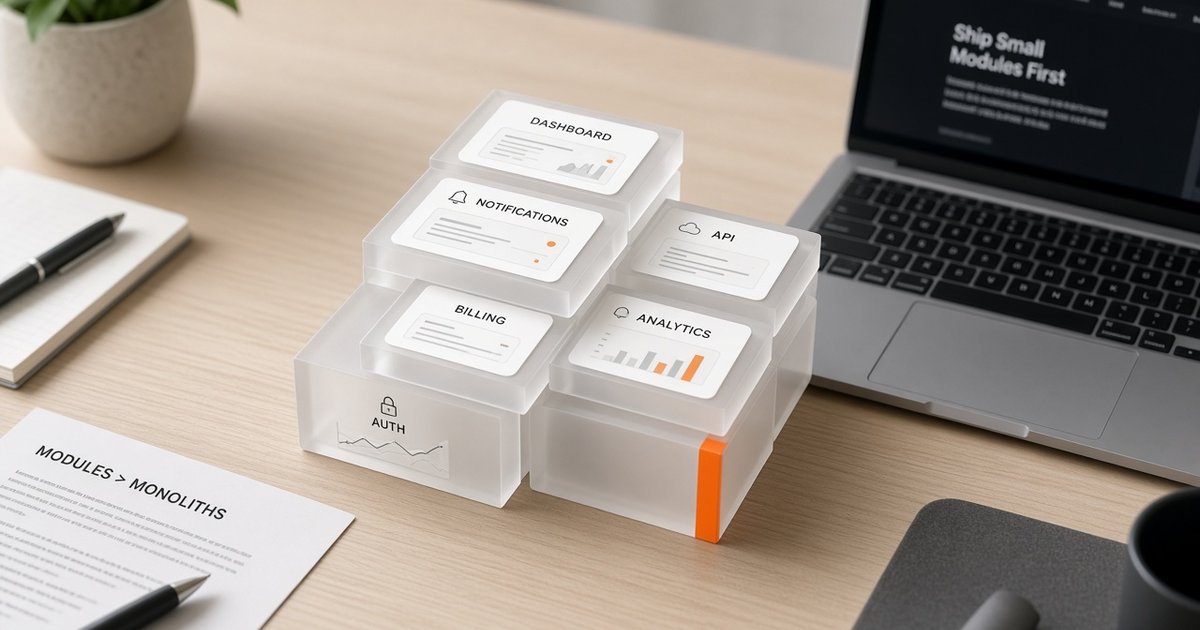
Businesses that get more out of AI move it into the plumbing instead. Data moves between the systems you're already paying for, and shows up right inside the tools your team uses every day.
The data was already there
We set out to build our own tooling and start replacing cloud software we'd outgrown. Two things pushed us: we were paying for a platform and using maybe a third of its features, and the features we actually needed kept coming up missing on top of that. Our team felt it first. Our clients felt it not long after.
That project is live now. Clients tell us it's easier to use, and the information sits closer to how they actually want to see it. We're still building on what they tell us.
The bigger surprise was data discovery. The numbers we'd been chasing for years were already sitting in our own systems. The old software just never put them anywhere we could act on during a normal workday. Once we could see them, the outcomes got clearer for the team and for clients.
One example: our hosted phone system, GoTo Connect, already scored call quality and tracked sentiment on every call. Those scores lived inside the vendor's own portal, so almost nobody logged in to check them. During the build, we pulled those same signals into the tools our team already has open all day. Now a manager can hear a call that went sideways, pull the recording, and coach the tech on that account without opening a second system to find it.
More dashboards was never the goal. Vendors will always sell you more data. What matters is what you do with the data you already have. If the answer is "export to a spreadsheet and glance at it when someone remembers," that data is still just sitting there.
Start with the bottleneck, not the timeline
A lot of the wins we see start small. Older processes (export this, import that, massage the file, email the result) turn into a small web app that keeps the data structured and kills the busywork. Those pieces can slot into a bigger system later. Not every project needs one big launch. Ship the part that removes the daily pain, then keep going.
For most Upstate small businesses we talk with, useful projects run a few months depending on scope. Ours replaced a twenty-year-old platform and connected more than thirty vendor, billing, and accounting touchpoints across staff and client tools. Yours doesn't have to look anything like that. It has to solve a bottleneck you actually deal with.
The same idea applies to the tools you already own. Many of the products we support, phones, productivity suites, document platforms, connect through APIs. Used well, that means fewer duplicate logins, less re-keying the same data twice, and less money spent on software you only use a slice of.
Where Greenville businesses should start
If you're already using AI and still feel buried, start here:
- List the reports you rebuild by hand every week.
- Name the portal nobody wants to log into, but has to.
- Find one place where staff or customers ask for information that exists, just not where they're looking.
That's usually enough to tell whether you're collecting data or putting it to work.
We've written before about keeping humans in the loop with AI in IT and about smaller tools like an AI receptionist for missed calls. Both fit the approach described here.
When PremierePC builds this kind of tooling, we also secure it. That means modern web frameworks, hosting on platforms built for business security and compliance like Microsoft Azure, and access gated the way your team already works: Single Sign-On (SSO), plus our Secure Access Service Edge (SASE) offering for staff who aren't on the office network. The result is tooling that fits how you work, with your data behind controls that match how sensitive it is.
If you want a second set of eyes on where to build first, and what to leave alone, talk with us or call (864) 335-9223. We'll walk through your stack and tell you straight whether a small build, a better integration, or a simple cleanup is the right move.